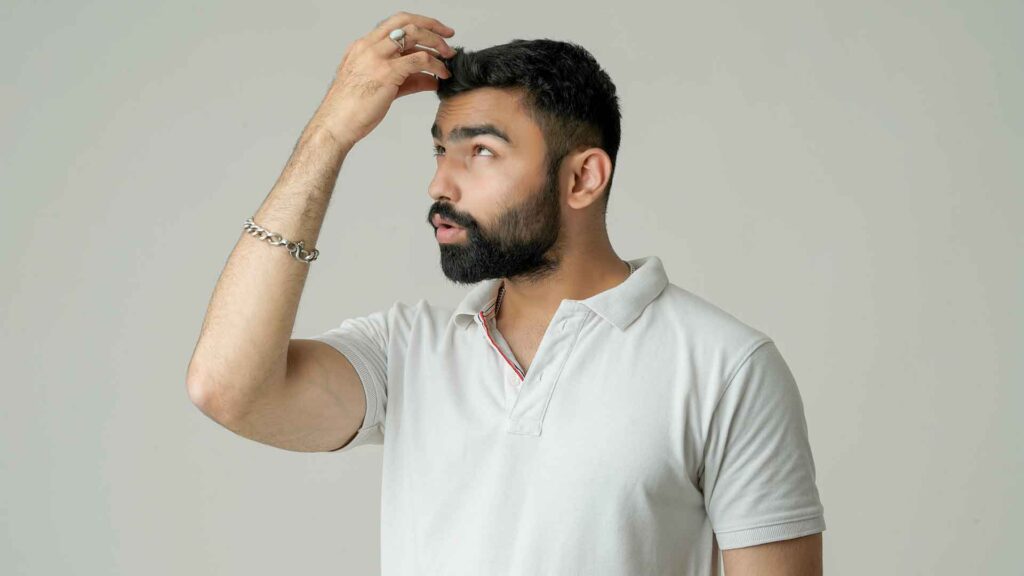

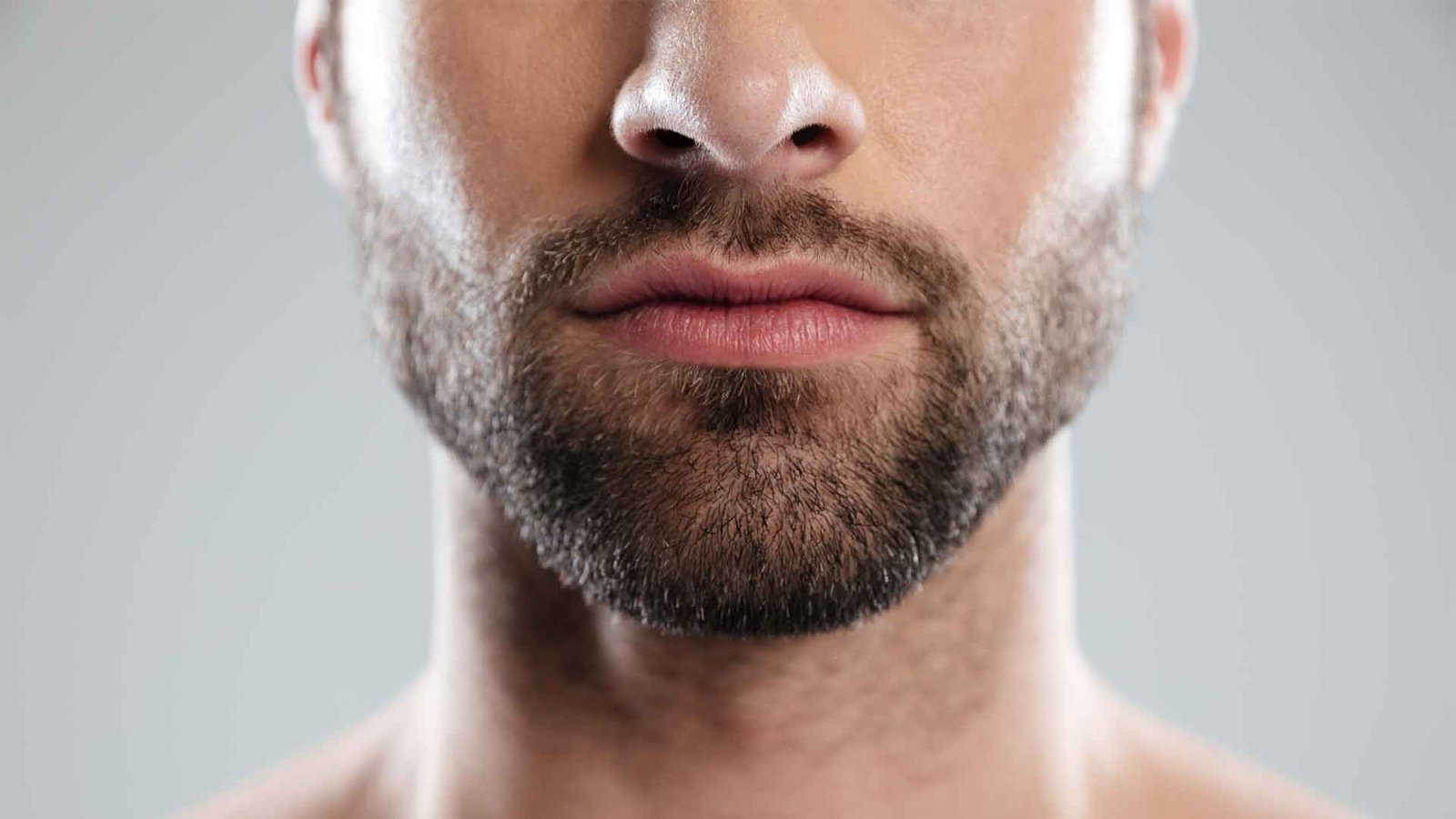
The Science behind Beard Hair Transplant is to enhance your Facial Foliage. Facial hair has long been associated with masculinity, symbolizing strength and maturity. While some men can effortlessly grow thick and luscious beards, others may struggle with patchy or thin facial hair. Fortunately, advancements in medical technology have made it possible for individuals to achieve their desired facial hair growth through a procedure known as a beard hair transplant. In this Adgrohair blog, we will explore how hair transplants work on beards, the different techniques involved, and what you can expect from the procedure.
Understanding Beard Hair Transplants
A beard hair transplant, also known as facial hair restoration, is a surgical procedure that involves transferring hair follicles from one area of the body (usually the back of the scalp) to the beard region. It is typically performed on men who have sparse facial hair, have experienced hair loss due to genetics, scarring, or other factors, or those who simply desire a fuller and denser beard.
The Procedure
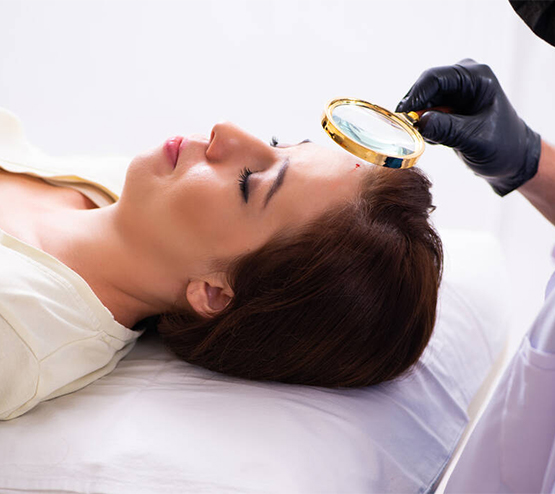
Consultation: The journey begins with an initial consultation with our Adgrohair-qualified hair transplant specialist. During this session, you can discuss your expectations, medical history, and any concerns you may have. The specialist will assess your facial hair growth pattern and determine if you are a suitable candidate for the procedure.
Donor Hair Extraction: Once deemed suitable for the transplant, the donor area is identified, usually the back of the scalp. This area is chosen because the hair follicles in this region are genetically resistant to DHT formation.
The extraction process:
Follicular Unit Extraction (FUE): This method involves extracting individual hair follicles one by one using a specialized punch tool. The process is minimally invasive and leaves tiny, virtually undetectable scars.
Hair Follicle Preparation: Once the donor hair is harvested, the hair grafts are carefully prepared under a microscope. The excess tissue is trimmed, ensuring that each graft is in optimal condition for transplantation.
Transplantation: Before the transplantation process, the recipient area is prepared by creating small incisions or recipient sites. The surgeon meticulously places the hair grafts into these incisions, considering the angle, direction, and density required to achieve a natural-looking beard.
Post-Transplantation Care: Following the procedure, patients are given detailed instructions on post-operative care. This typically includes avoiding strenuous activities, protecting the newly transplanted area from direct sunlight, and following a prescribed medication regimen.
Recovery and Results: In the weeks following the beard hair transplant, the transplanted hair will shed. This is a normal part of the process, and new hair growth will begin within a few months. Full results can typically be seen within 9-12 months, with the transplanted hair blending seamlessly with the natural facial hair.
Benefits and Considerations
Natural Results: With Adgrohair skilled surgeons and the use of advanced Percutaneous FUE technique, beard hair transplants can provide natural-looking results, giving individuals the opportunity to achieve their desired beard style.
Permanent Solution: The transplanted hair is typically permanent since it is sourced from areas resistant to balding.
Surgical Procedure: It’s important to note that a beard hair transplant is a surgical procedure and carries the associated risks, including infection, scarring, and possible side effects. Choosing a qualified and experienced surgeon is crucial for a successful outcome, hence avoid cheaper pricing beard transplant offers from various single-unit clinics across North, South & West India. Every hair transplant surgeon cannot do a beard transplant and needs at least 3 qualified people, an Expert beard transplant surgeon, and 2 qualified OT technicians. Visit an Adgrohair clinic branch near you and get consulted for enhancing your beard.