

Trying a hair-care product or treatment and continuing to notice thinning can be frustrating. Reduced density after previous treatment may mean the original cause has not been fully addressed, the treatment needs more time, the response has been limited or another factor is contributing. Some hair-loss treatments require ongoing use, while others may not be suitable for every type of hair loss. Stopping or changing a prescribed treatment without medical advice may also affect progress. Reviewing the treatment history, timeline, scalp condition and current pattern can help clarify the next steps. A professional assessment can support a more informed discussion about realistic options.


Hair density continues to decrease despite previous treatment.

The person has not noticed the improvement they expected.

Hair fall continues or returns after a period of improvement.

The person is unsure whether to continue, change or review the approach.

Hair density continues to decrease despite previous treatment.

Hair fall continues or returns after a period of improvement.

The person has not noticed the improvement they expected.

The person is unsure whether to continue, change or review the approach.

Different people respond differently to the same treatment.

Some treatments require sustained use and time before response can be assessed.

The original treatment may not match the underlying cause.
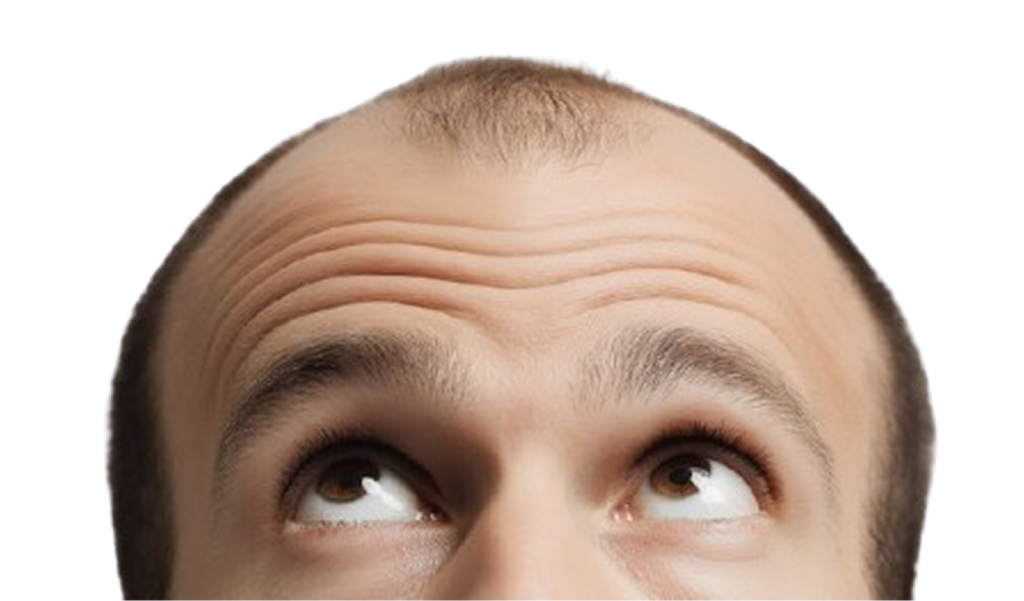

A health condition, nutritional issue or progressive hair loss may continue to affect density.








The suitable approach depends on the cause, the extent of recession and the condition of the existing hair.


Choosing the right approach to hair loss starts with understanding your options. These frequently asked questions cover common concerns about hair fall, consultations and hair treatments. Individual recommendations depend on the cause of the concern and a qualified clinician’s assessment.
Hair loss can be associated with genetics, hormonal changes, illness, nutritional factors, stress, medications and scalp conditions. Identifying the likely cause helps guide appropriate management.
Consider a consultation if your hair loss is persistent, worsening, sudden, patchy or accompanied by scalp discomfort or other symptoms.
Some forms of hair loss can be managed or improved, while others may be less responsive to treatment. Outcomes depend on the cause and individual circumstances.
Both involve blood-derived preparations, but their preparation methods and protocols may differ. A qualified clinician can explain the available options and whether either is appropriate for you.
No. Eligibility depends on factors such as the cause of hair loss, donor hair availability, overall health and realistic expectations.
Timelines vary by treatment and individual response. Your dermatologst should explain when progress may be assessed and whether ongoing treatment is needed.
It can, depending on the underlying cause and the treatment used. Some conditions require continued management and follow-up.
Start with a professional assessment to understand the likely cause of your hair concern. Discuss the available options, potential benefits, limitations, risks and costs before deciding.
Have a question or need assistance? Share your details and message with us, and our team will get in touch with you shortly. We’re happy to help you find the right information and support.
Choose how you’d like to get started. Your photo will be processed locally wherever possible
Use straight facing image for better results
Use your camera to capture a clear, straight-facing photo for a more personalized hair system recommendation.
Already have a photo? Upload a clear, front-facing image to explore hair system styles that suit your look.
Answer a few questions to find wigs that match your preferences.
Choose between hair styles
This is an approximate result based on your photograph.