
Hair growth can be influenced by hormones, nutritional status and overall health. Certain hormonal conditions and nutritional deficiencies may contribute to increased shedding or reduced hair density. Changes may be gradual or more noticeable after a major health event, dietary change or other life transition. However, hair loss alone cannot confirm a hormone imbalance or a deficiency, and taking supplements without evidence of a deficiency may be unhelpful or harmful. A professional assessment can help determine whether the hair-loss pattern suggests an underlying factor and whether medical review or testing is appropriate. The aim is to address the likely cause rather than treating every case in the same way.


Hair loss may occur across multiple areas of the scalp simultaneously.

Hair density may gradually decrease, revealing more scalp over time.

Shedding may follow major health or dietary changes.

Additional symptoms may be present depending on the underlying condition.

Hair loss may occur across multiple areas of the scalp simultaneously.

Shedding may follow major health or dietary changes.

Hair density may gradually decrease, revealing more scalp over time.

Additional symptoms may be present depending on the underlying condition.

Deficiencies may contribute to hair loss in some people.

Restrictive diets or insufficient intake of key nutrients may affect hair health.

Certain hormonal disorders can affect hair growth.
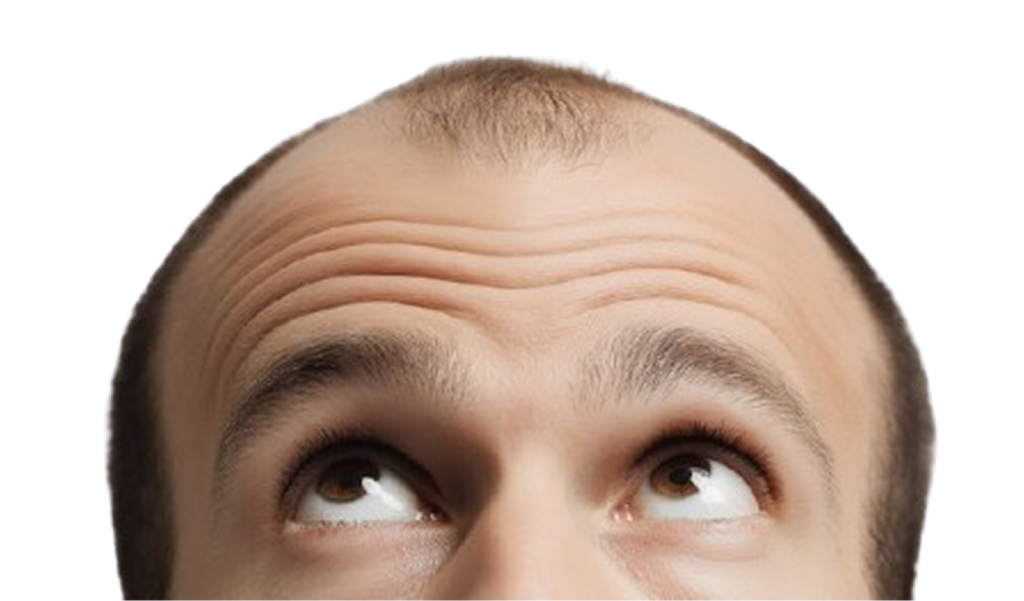

Pregnancy-related changes, illness or other transitions may contribute to temporary shedding








The suitable approach depends on the cause, the extent of recession and the condition of the existing hair.


Choosing the right approach to hair loss starts with understanding your options. These frequently asked questions cover common concerns about hair fall, consultations and hair treatments. Individual recommendations depend on the cause of the concern and a qualified clinician’s assessment.
Hair loss can be associated with genetics, hormonal changes, illness, nutritional factors, stress, medications and scalp conditions. Identifying the likely cause helps guide appropriate management.
Consider a consultation if your hair loss is persistent, worsening, sudden, patchy or accompanied by scalp discomfort or other symptoms.
Some forms of hair loss can be managed or improved, while others may be less responsive to treatment. Outcomes depend on the cause and individual circumstances.
Both involve blood-derived preparations, but their preparation methods and protocols may differ. A qualified clinician can explain the available options and whether either is appropriate for you.
No. Eligibility depends on factors such as the cause of hair loss, donor hair availability, overall health and realistic expectations.
Timelines vary by treatment and individual response. Your dermatologst should explain when progress may be assessed and whether ongoing treatment is needed.
It can, depending on the underlying cause and the treatment used. Some conditions require continued management and follow-up.
Start with a professional assessment to understand the likely cause of your hair concern. Discuss the available options, potential benefits, limitations, risks and costs before deciding.
Have a question or need assistance? Share your details and message with us, and our team will get in touch with you shortly. We’re happy to help you find the right information and support.
Choose how you’d like to get started. Your photo will be processed locally wherever possible
Use straight facing image for better results
Use your camera to capture a clear, straight-facing photo for a more personalized hair system recommendation.
Already have a photo? Upload a clear, front-facing image to explore hair system styles that suit your look.
Answer a few questions to find wigs that match your preferences.
Choose between hair styles
This is an approximate result based on your photograph.