


Hair breakage happens when strands snap along their length instead of shedding naturally from the root. It can leave short, uneven hairs, frayed ends and a hairstyle that appears less dense. Weak or damaged strands may be more likely to break during brushing, washing or styling. Heat tools, chemical treatments, friction and tight hairstyles can contribute, although certain hair-shaft conditions may also play a role. Breakage is different from hair loss caused by changes at the follicle, so identifying which is occurring is important. A professional review can help clarify the concern and recommend appropriate hair-care practices or further assessment if needed.


Short strands appear without a clear root-end shedding pattern.

Some hair sections may appear shorter, uneven, or less consistent in length.

Hair ends may look split, frayed, rough, or visibly uneven.

Hair breaks during combing, styling or washing.
Short strands appear without a clear root-end shedding pattern.
Hair ends may look split, frayed, rough, or visibly uneven.
Some hair sections may appear shorter, uneven, or less consistent in length.
Hair breaks during combing, styling or washing.

Bleaching, colouring and straightening may contribute to structural damage.

Rough brushing, tight hairstyles and repeated pulling may cause breakage.

Frequent use of hot styling tools may weaken the hair shaft.

Some underlying conditions can make hair fragile and require assessment.

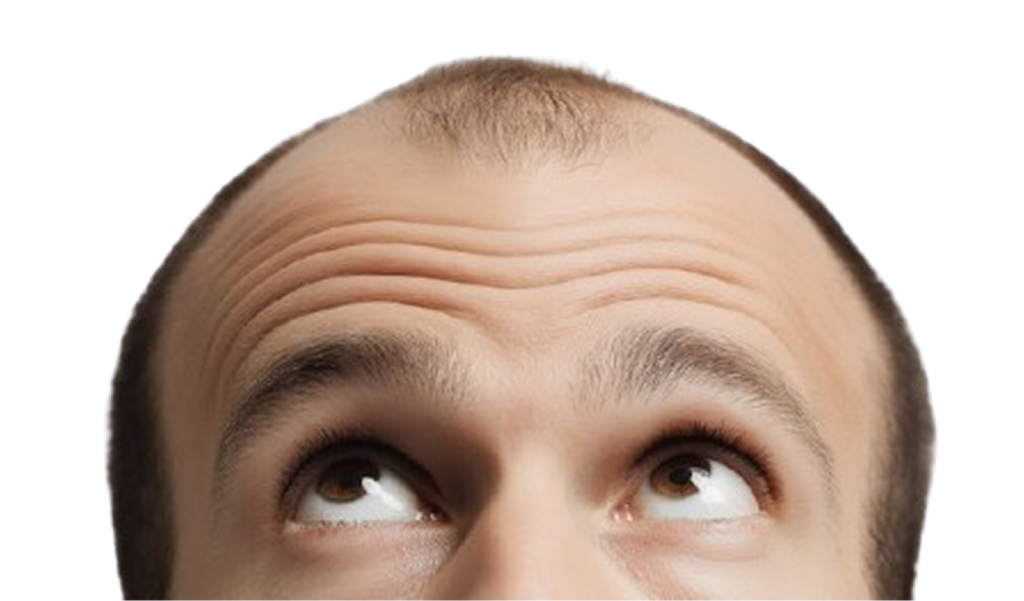
The suitable approach depends on the cause, the extent of recession and the condition of the existing hair.





Choosing the right approach to hair loss starts with understanding your options. These frequently asked questions cover common concerns about hair fall, consultations and hair treatments. Individual recommendations depend on the cause of the concern and a qualified clinician’s assessment.
Hair loss can be associated with genetics, hormonal changes, illness, nutritional factors, stress, medications and scalp conditions. Identifying the likely cause helps guide appropriate management.
Consider a consultation if your hair loss is persistent, worsening, sudden, patchy or accompanied by scalp discomfort or other symptoms.
Some forms of hair loss can be managed or improved, while others may be less responsive to treatment. Outcomes depend on the cause and individual circumstances.
Both involve blood-derived preparations, but their preparation methods and protocols may differ. A qualified clinician can explain the available options and whether either is appropriate for you.
No. Eligibility depends on factors such as the cause of hair loss, donor hair availability, overall health and realistic expectations.
Timelines vary by treatment and individual response. Your dermatologst should explain when progress may be assessed and whether ongoing treatment is needed.
It can, depending on the underlying cause and the treatment used. Some conditions require continued management and follow-up.
Start with a professional assessment to understand the likely cause of your hair concern. Discuss the available options, potential benefits, limitations, risks and costs before deciding.
Have a question or need assistance? Share your details and message with us, and our team will get in touch with you shortly. We’re happy to help you find the right information and support.
Choose how you’d like to get started. Your photo will be processed locally wherever possible
Use straight facing image for better results
Lorem ipsum dolor sit amet, consectetur adipiscing elit. Ut elit tellus, luctus nec
Lorem ipsum dolor sit amet, consectetur adipiscing elit. Ut elit tellus, luctus nec
Answer a few questions to find wigs that match your preferences.
Choose between hair styles
This is an approximate result based on your photograph.